
The HSA Advantage: Turning Healthcare Savings Into Long-Term Wealth | Zachary Bainter
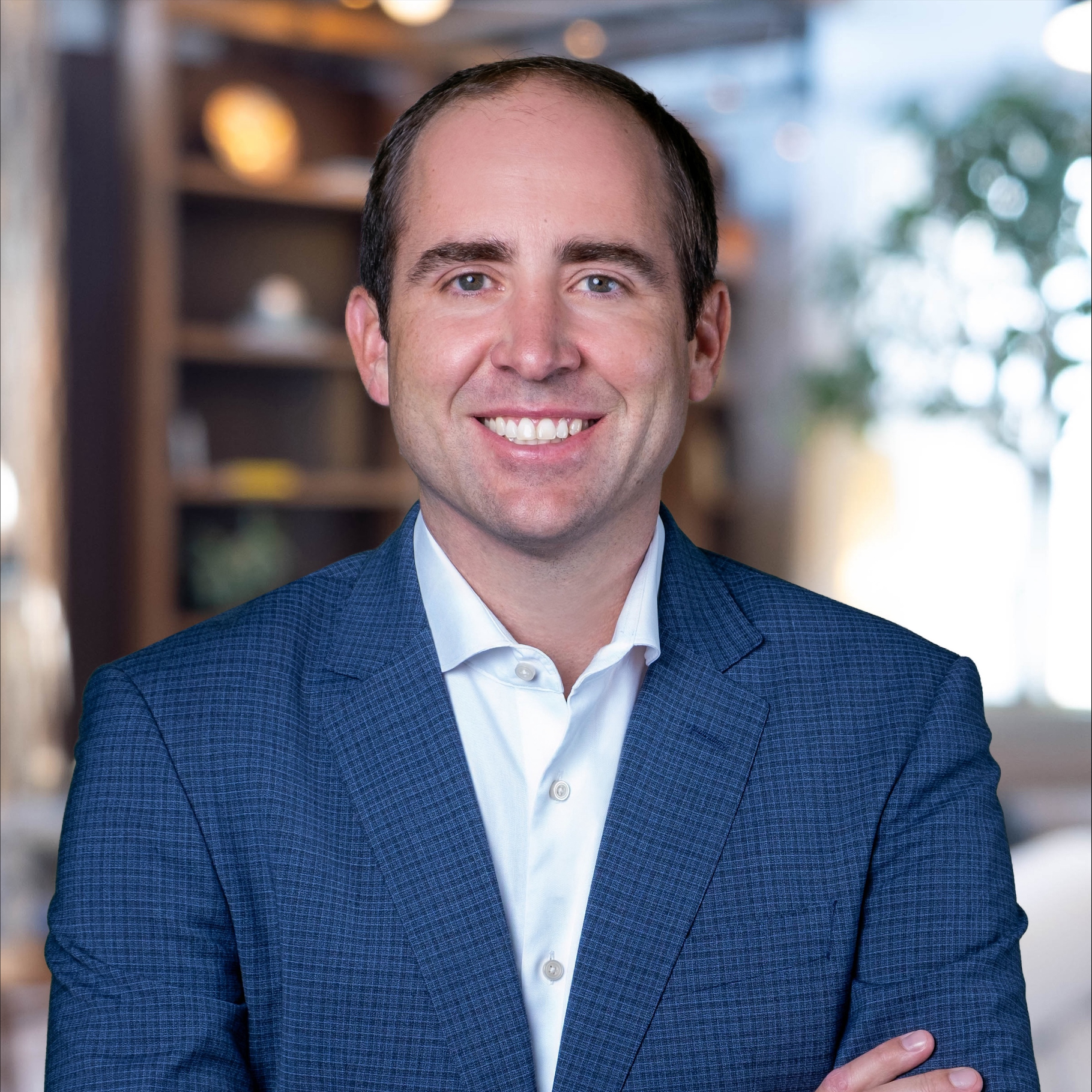

By: Zachary Bainter, Gerber Kawasaki Managing Partner
HSAs stand out as an exceptional planning vehicle. Contributions are tax-deductible, growth is tax-deferred, and withdrawals for qualified medical expenses are tax-free. That combination is hard to find elsewhere, and it is why HSAs have grown so quickly in recent years.
2027 limits to know:
- Contribution limit: $4,500 for an individual, $9,000 for a family, plus a $1,000 catch-up if you're 55 or older.
- Qualifying high-deductible plans must have a deductible of at least $1,750 (individual) or $3,500 (family), with out-of-pocket maximums of $8,700 and $17,400.
Strategies worth considering:
- Pay current medical costs out of pocket if you can and invest the HSA so it keeps growing. You can reimburse yourself years or even decades later, as long as you keep receipts. This is one of the best kept secrets!
- The list of eligible expenses is broad, including Medicare premiums, nursing-home costs and contact-lens solution.
- At 65, you can withdraw for any reason, but non-medical withdrawals are taxed as ordinary income. Once you enroll in Medicare, you can no longer contribute, though you can use tax-free withdrawals for Medicare premiums and copays (not Medigap).
- Name your spouse as beneficiary. A spouse is the only person who can inherit an HSA tax-free; for anyone else, the account is taxed at death.
- New: HSAs can now be paired with ACA Bronze and Catastrophic plans, which helps self-employed workers and early retirees buying coverage before Medicare.
If you're choosing a health plan this fall, I'd be glad to look at whether an HSA-eligible plan fits your situation, how much to contribute, and whether to invest the balance.
Gerber Kawasaki Wealth & Investment Management is an investment advisor located in California and is registered with the Securities and Exchange Commission (SEC). Registration of an investment advisor does not imply any specific level of skill or training and does not constitute an endorsement of the firm by the Commission. Gerber Kawasaki only transacts business in states in which it is properly registered or is excluded or exempted from registration requirements. Additional information about the firm is available on the SEC’s Investment Adviser Public Disclosure website at adviserinfo.sec.gov.
Zachary Bainter is a Financial Advisor of Santa Monica, California-based Gerber Kawasaki Inc., an SEC-registered investment firm with approximately ~$4.78B billion in assets under management and assets under advisement as of 06/30/26. The opinions voiced in this material are for general information only and are not intended to provide specific advice or recommendations for any individual. This material is for general information only and is not intended to provide specific tax or investment advice. Consult your tax professional regarding your individual situation. To determine which course of action may be appropriate for you, consult your financial advisor. No strategy assures success or protects against loss. Readers shouldn't buy any investment without doing their research to determine if the investments are suitable for their situation. “All investments involve risk and one should consult a financial advisor before making any investments. Past performance is not indicative of future results."


